
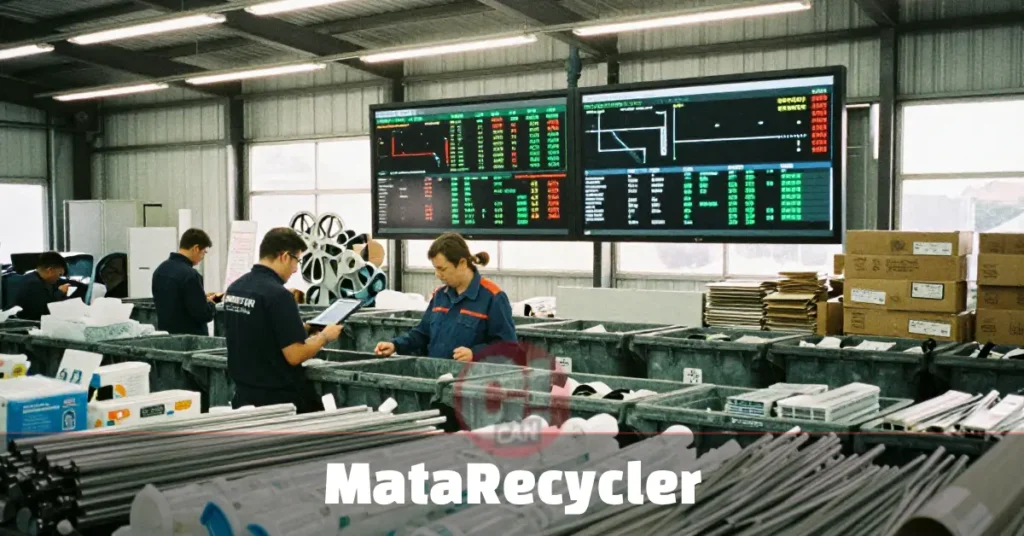
MataRecycler is a digital platform that uses tracking technology to sort, process, and manage recyclable materials. It connects waste generators with recycling facilities, monitors material flow, and provides data to improve recovery rates while reducing contamination in recycling streams.
What MataRecycler Does
MataRecycler addresses a core problem in waste management: inefficiency in tracking and processing recyclables. Traditional recycling systems lose materials at multiple stages. The collection gets mixed up. Sorting facilities receive contaminated loads. Data about what gets recycled remains unclear.
This platform creates a digital layer over physical recycling operations. It tracks materials from the collection point to the processing facility. The system logs the weight, type, and condition of recyclables. Facilities receive advance information about incoming materials, which helps them prepare sorting equipment and allocate resources.
The approach reduces contamination rates. When collectors scan materials before pickup, they identify non-recyclables immediately. This prevents contaminated loads from reaching processing centers, where they create delays and reduce overall recovery rates.
Key Functions:
- Real-time tracking of recyclable materials
- Digital documentation of waste streams
- Automated sorting recommendations
- Performance metrics for collection routes
- Integration with existing waste management systems
How the Technology Works
MataRecycler operates through three connected components: mobile collection tools, processing facility software, and central data management.
Collection teams use mobile devices to scan and log materials. The app identifies material type using image recognition and barcode scanning. It records location, weight estimates, and condition notes. This data flows to the central system immediately.
Processing facilities receive detailed manifests before trucks arrive. They see material composition, estimated volumes, and any contamination warnings. This advance notice lets them adjust conveyor speeds, prepare specific sorting equipment, and assign staff where needed most.
The central database aggregates information across all collection points and facilities. It identifies patterns in waste generation, tracks seasonal changes in material types, and flags routes with high contamination rates. Facility managers use these insights to adjust operations and improve efficiency.
The system connects participants through standardized data formats. Waste generators, haulers, and processors all access relevant information without switching between platforms. This reduces coordination time and prevents miscommunication about material specifications.
Benefits for Different Users
Waste generators gain visibility into their recycling performance. Businesses see exactly what percentage of their waste gets recycled, which materials perform best, and where contamination occurs. This data helps them adjust internal sorting practices and train staff on proper disposal methods.
Haulers benefit from route planning features. The platform analyzes collection patterns and suggests ways to reduce fuel consumption and time. It also prevents wasted trips by confirming material availability before dispatch.
Processing facilities receive higher-quality incoming materials. Advanced sorting information reduces manual labor requirements and equipment downtime. Facilities report 15-20% improvements in processing speed when they have detailed material data before trucks arrive.
Environmental compliance becomes simpler. The platform generates reports that document recycling rates, diversion percentages, and waste reduction metrics. Organizations use these reports to meet regulatory requirements and track progress toward sustainability targets.
Comparison with Traditional Methods
Traditional recycling relies on manual record-keeping and visual inspection. Haulers estimate load weights. Facilities sort incoming materials without prior information. Data collection happens sporadically, often through monthly reports that arrive weeks after collection.
This approach creates multiple failure points. Mixed materials reach processing centers without warning. Contaminated loads get rejected, sending recyclables to landfills. Facilities operate reactively, adjusting to problems after they occur rather than preventing them.
| Aspect | Traditional System | MataRecycler |
|---|---|---|
| Material Tracking | Manual logs, estimates | Real-time digital records |
| Contamination Detection | At the processing facility | At the collection point |
| Data Reporting | Monthly, delayed | Continuous, immediate |
| Route Planning | Fixed schedules | Data-driven adjustments |
| Quality Control | Post-sorting inspection | Pre-collection verification |
Digital tracking shifts quality control earlier in the process. Problems get identified before materials enter the recycling stream, which prevents wasted transportation and processing costs.
Implementation Considerations
Organizations implementing MataRecycler face several practical questions. Staff need training on mobile devices and scanning protocols. Collection routes require adjustment to accommodate scanning time. Processing facilities must integrate new software with existing equipment control systems.
The transition period typically spans 2-3 months. Early weeks focus on user training and system testing. Collection teams practice scanning procedures during regular routes. Facility managers verify that incoming data matches physical loads.
Initial costs include software licensing, mobile devices for collection teams, and staff training time. However, efficiency gains appear quickly. Most users report cost recovery within 6-8 months through reduced contamination, faster processing, and better route planning.
Integration with existing systems varies by organization size. Small haulers often adopt the mobile app first, then connect to facility software later. Large waste management companies implement across multiple facilities simultaneously, which requires more planning but creates network effects faster.
Real-World Impact
Facilities using MataRecycler report measurable improvements. Contamination rates drop 25-30% within the first six months. Processing throughput increases 15-20% as facilities spend less time sorting problematic loads.
Carbon footprint reduction occurs through multiple channels. Better route planning cuts fuel consumption by 10-15%. Higher recovery rates mean fewer materials go to landfills, reducing methane emissions. Improved sorting quality means more materials get recycled into new products instead of being rejected.
Economic benefits extend beyond operational efficiency. Facilities that process cleaner materials command higher prices from buyers. Manufacturers prefer recycled feedstock with consistent quality and verified composition data, which MataRecycler provides through its tracking records.
Communities benefit from transparent recycling data. Local governments use platform metrics to evaluate hauler performance and set realistic diversion goals. Public reporting features let residents see their neighborhood’s recycling rates, which often increases participation.
Frequently Asked Questions
Does MataRecycler work with existing collection trucks?
Yes. The platform uses mobile devices and scanning tools that work with any vehicle type. No truck modifications are required.
How long does scanning add to collection time?
Initial scanning takes 30-45 seconds per stop. With practice, teams complete scans in 15-20 seconds without disrupting normal collection pace.
Can small recycling operations use this system?
The platform scales to different operation sizes. Small facilities can start with basic tracking features and add functions as they grow.
What happens if internet connectivity drops during collection?
The mobile app stores data locally and syncs automatically when the connection returns. No information gets lost during offline periods.
Is training required for collection staff?
Yes. Most teams complete training in 2-3 days. The interface uses simple scanning and dropdown menus that minimize learning time.
Recycling technology continues advancing, but success depends on practical implementation. MataRecycler demonstrates how digital tools improve existing processes without requiring complete infrastructure replacement. The platform addresses real operational challenges while providing data that drives continuous improvement across waste management systems.