


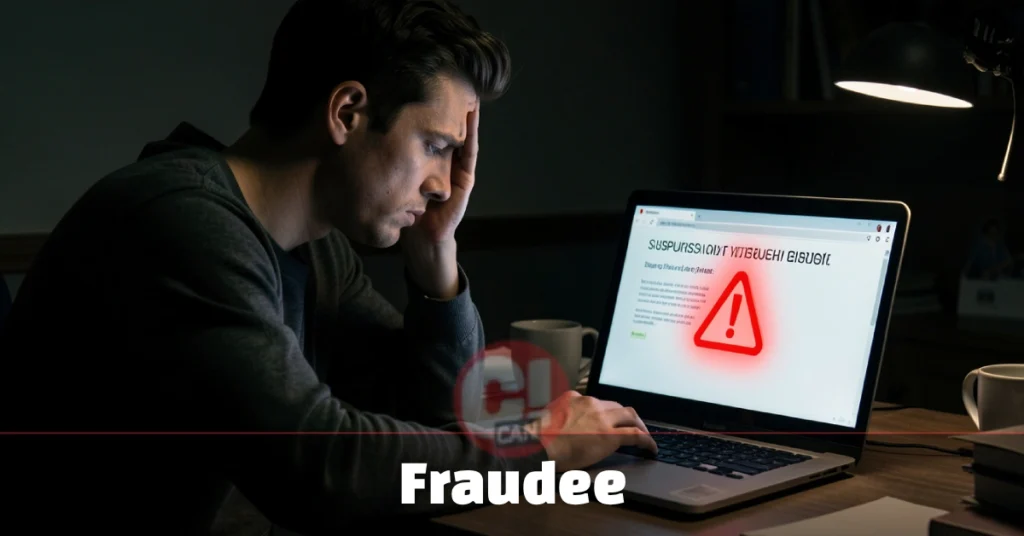
A fraudee is any person, business, or organization that becomes the victim of a fraudulent act. The term combines “fraud” with the suffix “-ee,” meaning the receiver of an action. Fraudees suffer financial loss, identity theft, and emotional harm caused by a fraudster’s deception. Anyone can become a fraudee — individuals, small businesses, and large corporations alike.
Every year, billions of dollars are lost to fraud worldwide — yet most conversations focus on the criminal, not the victim. The person on the receiving end of that deception has a name: a fraudee. Understanding what a fraudee is, how they’re targeted, and what to do after the fact can be the difference between a quick recovery and years of financial and emotional damage.
This article breaks down the full picture — the definition, common fraud types, warning signs, and a clear recovery plan — so you know exactly what to do if it happens to you.
What Exactly Is a Fraudee?
The word is simple to decode. “Fraud” means deception for personal gain. The suffix “-ee” refers to the person receiving an action, just like a “payee” receives payment or an “employee” receives employment. So a fraudee is the person upon whom fraud has been committed.
Here’s the catch: being a fraudee has nothing to do with being careless or naive. Fraudsters today use AI-generated voices, cloned websites, and psychological pressure tactics that would fool almost anyone. A senior bank executive, a tech-savvy teenager, and a first-time online shopper can all become fraudees under the right conditions.
The distinction between fraudee and fraudster matters more than it seems. Most fraud prevention systems are built around catching criminals. Far fewer resources are designed around helping victims recover, which is exactly why understanding the fraudee’s perspective is so valuable.
Fraudee vs Fraudster: Key Differences at a Glance
| Fraudee | Fraudster | |
|---|---|---|
| Role | Victim | Perpetrator |
| Action | Receives deception | Initiates deception |
| Legal Status | Complainant / injured party | Defendant / accused |
| Goal | Recovery and protection | Financial or personal gain |
| Who it affects | Individuals, businesses, governments | Targets anyone with something to lose |
Both individuals and organizations can be fraudees. A person who clicks a fake bank email link is a fraudee. A company that pays a fraudulent invoice is a fraudee. A government agency that funds a fake grant application is also a fraudee.
How People Become Fraudees in 2025
Fraud methods have changed significantly. The days of obvious “Nigerian prince” emails are mostly behind us. Today’s tactics are far harder to spot.
Social engineering remains the most common entry point. A fraudster impersonates a manager, a bank officer, or even a family member to create urgency. The victim is pressured to act fast — wire money, share a password, approve a transaction — before they have time to verify anything.
Phishing and SMS scams follow a similar script. A spoofed email from what looks like PayPal, HMRC, or Amazon arrives in your inbox. The link leads to a cloned website that captures your login details. By the time you realize something is wrong, access to your account has already been compromised.
AI-powered fraud is the newest and fastest-growing threat. Voice cloning technology can replicate a family member’s voice in real time. Deepfake video calls have been used to trick company finance teams into authorizing large transfers. These aren’t hypothetical risks — they’ve been documented in real fraud cases across the UK, US, and Australia.
Data breaches also create passive fraudees. You don’t have to do anything wrong. If a company storing your data is hacked and your credentials are sold on the dark web, you can become a victim of identity theft without ever clicking a suspicious link.
Warning Signs You Might Already Be a Fraudee
Catching fraud early limits the damage. Here are the red flags to watch for:
- Unrecognized charges on your bank or credit card statement
- Password reset emails you didn’t request
- New accounts or loans opened in your name
- Sudden drop in your credit score with no explanation
- Bills arriving for services you never used
- Calls or messages claiming you owe money urgently
If you notice any of these, don’t wait. The faster you act, the more you can recover.
The Real Cost of Being a Fraudee
Most people think of fraud loss in purely financial terms. But the actual cost is broader and often longer-lasting.
Financially, fraudees can lose savings, face damaged credit scores, and spend months disputing transactions. Identity theft victims sometimes deal with fraudulent loans or tax returns filed in their name — both of which require significant time and documentation to untangle.
Emotionally, the impact is frequently underestimated. Shame and self-blame are common, even when the fraud was highly sophisticated. Many fraudees delay reporting because they feel embarrassed, which only gives criminals more time. Anxiety, trust issues, and ongoing stress about financial security are well-documented in fraud victim research.
Reputationally, businesses that become fraudees can suffer when customers or investors lose confidence, especially if the fraud involved a data breach exposing client information.
What a Fraudee Should Do Immediately
Speed matters. Every hour after discovering fraud is time a criminal can use to do more damage.
- Freeze your accounts. Contact your bank or card provider immediately and request a freeze or temporary block on transactions.
- Change your passwords. Start with your email, then banking and any linked accounts. Use a password manager to create strong, unique credentials.
- Enable two-factor authentication (2FA). This prevents further access even if your password has been stolen.
- Collect evidence. Screenshot suspicious messages, save emails, and log any phone numbers or website URLs involved.
- Report it. In the UK, report to Action Fraud. In the US, use the FTC at reportfraud.ftc.gov. In Australia, contact the ACSC. In India, use Cybercrime.gov.in. In Pakistan, contact the FIA Cybercrime Wing.
- Place a fraud alert on your credit file. Contact Experian, Equifax, or TransUnion (or local equivalents) to flag your account.
Don’t feel pressure to handle this alone. Consumer protection agencies, legal advisors, and victim support organizations exist specifically for this situation.
How to Avoid Becoming a Fraudee
Prevention is straightforward in principle, though it requires consistent habits. A few practices cover the majority of risk:
Use strong, unique passwords for every account and store them in a trusted password manager. Enable 2FA everywhere it’s available — authenticator apps are more secure than SMS codes. Before sending money or sharing personal information, verify requests through an official number or in-person contact. Regularly check your bank statements and set up transaction alerts so unusual activity surfaces quickly.
For businesses, the biggest protection is training. Most corporate fraud starts with a staff member being deceived. Employees who can recognize social engineering, fake invoice requests, and phishing attempts are far more valuable than any software tool alone. Pair that training with internal controls — no single person should be able to approve and execute a large payment — and the risk drops sharply.
Recovery: What Comes After
Financial recovery starts with disputing unauthorized transactions through your bank or payment provider. Document everything. Most UK banks operate under the Contingent Reimbursement Model (CRM), which gives victims a path to reclaim lost funds if they acted reasonably. US consumers have protections under the Electronic Fund Transfer Act for unauthorized bank transfers.
Credit repair takes longer. You’ll need to contact credit bureaus directly to dispute fraudulent accounts, place fraud alerts, and, in serious cases, request a credit freeze. This prevents new accounts from being opened in your name while you sort things out.
The emotional side of recovery is real and deserves attention. Counseling services, consumer charity helplines, and online support groups all provide practical and psychological support. Talking about what happened — rather than hiding it — speeds up recovery and helps others recognize the same tactics.
Final Word on Fraudees
Being a fraud is not a sign of weakness or stupidity. It’s a sign that a criminal chose you as a target and used methods designed to bypass normal caution. What matters is how quickly you respond, how thoroughly you document the experience, and what habits you build afterward. Fraud is a systemic problem — and awareness is one of the strongest defenses any potential fraudee has.