


Kotora Melnkalne (Kotor, Montenegro) is a UNESCO-listed coastal town on the Adriatic Sea. Known for its medieval Old Town, Bay of Kotor fjord, and mountain backdrop, it combines 12th-century architecture with modern tourism. Best visited April-May or September-October. Budget €50-80 daily. Key attractions include St. Tryphon Cathedral, 4km city walls, and surrounding hiking trails.
Kotora Melnkalne sounds exotic, but it’s simply a transliteration of Kotor, a Montenegrin coastal town that has become increasingly popular among travelers seeking something beyond typical European destinations. If you’re planning a trip here, understanding what you’ll actually experience helps you pack correctly and spend your time wisely.
Understanding Kotora Melnkalne’s Geography
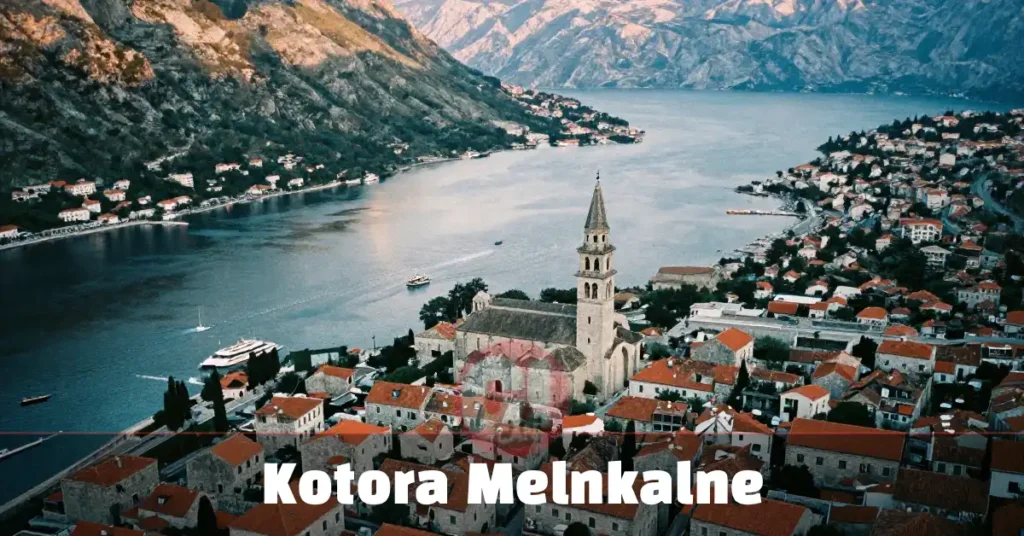
Kotor sits along a deep natural harbor often compared to Norwegian fjords. The Bay of Kotor wraps around the town, creating a dramatic setting where mountains rise directly from the sea. Unlike Mediterranean resorts with sprawling beaches, this area emphasizes steep terrain, narrow waterfront access, and vertical elevation changes.
The town itself divides into two distinct zones. The Old Town occupies a compact medieval settlement squeezed between the bay and mountain slopes. Beyond this historic core, modern Kotor spreads along the coast with hotels, restaurants, and shops. Most travelers spend time in both areas—wandering narrow stone lanes in the morning, then exploring newer districts in the afternoon hours.
What Makes Kotor Stand Out from Other Adriatic Towns
Several traits distinguish Kotora from other Mediterranean destinations. First, the architecture reflects centuries of Venetian rule, Ottoman influence, and Slavic traditions layered atop Roman foundations. Walking through the Old Town, you encounter Bell towers next to Orthodox churches and fortification systems that predate most European castles.
Second, the physical setting creates natural boundaries. The surrounding mountains aren’t decorative—they actively shape how the town functions. Summer heat concentrates between stone walls. Winter rains cascade down hillsides. Spring and autumn offer genuine comfort, explaining why visitor numbers spike during these seasons.
Third, Kotor maintains lower prices than Croatian and Greek alternatives. A decent restaurant meal costs €8-12. Accommodation ranges from €30 hostel beds to €150+ boutique hotels. This affordability attracts budget-conscious explorers and families, though increased tourism is gradually raising costs.
Getting There and Moving Around
Most visitors reach Kotor via the Adriatic Highway, a coastal road with spectacular views but occasional traffic bottlenecks. From nearby Podgorica airport (60km away), rental cars or shuttle services cost €20-40 per person. Direct buses connect to regional cities, though schedules vary seasonally.
Once in town, walking becomes your primary transport. The Old Town contains everything within 15-20 minute walks. Steep climbs and uneven stone surfaces mean comfortable shoes aren’t optional. For the surrounding region, local taxi services or rented scooters work well. Expect €5-8 for short taxi rides.
Timing Your Visit: When to Go
April through May offers warm weather without peak summer crowds. Temperatures hover around 20-22°C, perfect for exploring without overheating. September and October provide similar conditions, plus calmer seas for boat activities.
Summer (June-August) brings 28-30°C heat, cruise ship crowds, and fully booked accommodations. If you travel, then arrive early and stay late to experience quieter moments. Winter (November-February) brings rain and cool temperatures, but fewer tourists and lower prices. February specifically sees the Carnival of Kotor—a cultural event worth planning around.
What to Actually Do Here
Explore the Old Town properly. Rush through the narrow streets, and you’ll miss details. Spend a full day wandering, stopping at small galleries, lingering in squares, and chatting with shop owners. The Cathedral of St. Tryphon opens for tours, revealing interior mosaics and history. Entry costs €2.
Climb the city walls. The 4km wall system connects to a fortress at the summit. The walk takes 1.5-2 hours and involves steady uphill climbing with stone steps. Start early to avoid the afternoon heat. The reward is unobstructed bay views and understanding how medieval residents defended their settlement.
Take a bay boat tour. Local operators offer 2-3 hour cruises visiting nearby villages like Perast and the island of Our Lady of the Rocks. Costs run €15-25 per person. These tours show the bay’s geography and provide a perspective on why Kotor developed where it did.
Hike nearby trails. The Ladder of Kotor trail climbs mountainside switchbacks, gaining 900 meters of elevation. Most hikers complete it in 90 minutes. Other trails circle the bay or penetrate inland forests. Trails range from moderate to demanding. Download offline maps before starting—cellular coverage isn’t guaranteed.
Sample regional food. Try octopus stew (hobotnica), fresh fish, and Montenegrin wine. Restaurants in tourist areas mark up prices 30-50% compared to locals’ favorite spots. Ask your accommodation for recommendations rather than eating near the main attractions.
Budget Breakdown for a 3-Day Visit
- Accommodation: €90-150 (€30-50 nightly for decent rooms)
- Food: €60-90 (€20-30 daily with a mix of sit-down meals and casual eating)
- Activities: €40-70 (walls, boat tours, potential hiking guide)
- Transport: €10-20 (local taxis and bay access)
- Total: €200-330 per person
Budget travelers manage on €35-40 daily through hostels and street food. Couples booking mid-range hotels and enjoying restaurant meals spend €80-100 daily.
Practical Details You’ll Actually Need
Kotor uses the Euro. ATMs exist throughout town—withdraw cash early as some smaller businesses don’t accept cards. Mobile phone coverage works fine, though roaming charges apply. Restaurants typically include service in the bill; small additional tips (5-10%) are appreciated but optional.
The Old Town has no car access—park at perimeter lots and walk in. Weather shifts rapidly; coastal sunshine can disappear into mountain fog within hours. Pack layers regardless of season.
The Bottom Line
Kotora Melnkalne (Kotor) rewards travelers who approach it methodically. Spend time in narrow streets, climb the walls, appreciate architectural details, and interact with locals beyond tourist interactions. The genuine value lies in understanding how geography, history, and modern tourism intersect in this specific location.
It’s not perfect—summer crowds can overwhelm, and increased development threatens some historic charm. But for travelers seeking Mediterranean character without Greek island tourism saturation or Croatian prices, Kotor delivers substance. Plan properly, arrive with realistic expectations, and you’ll understand why this town keeps attracting return visitors.