


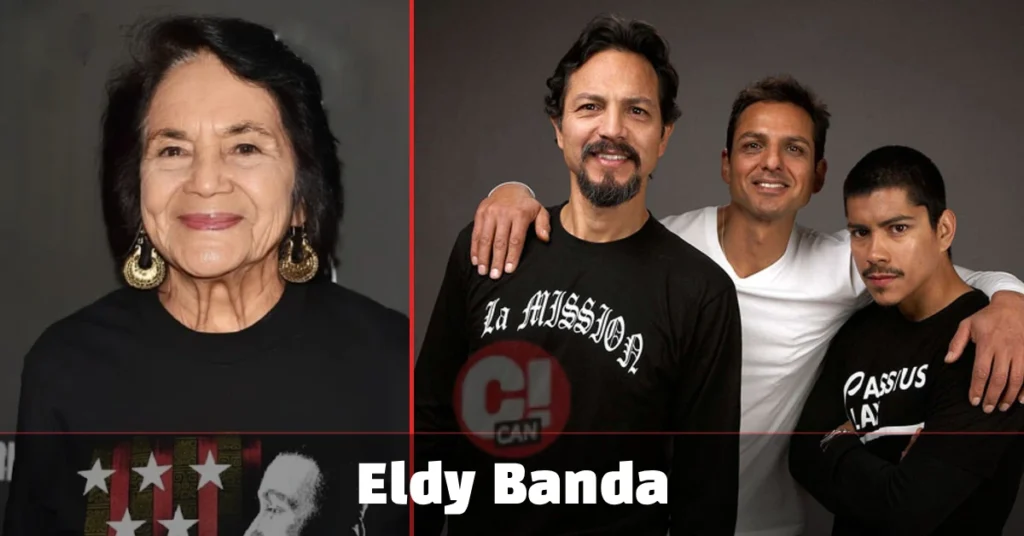
Eldy Banda (born March 22, 1940, in Lima, Peru) is a Quechua nurse, indigenous rights activist, and the mother of actor Benjamin Bratt. She immigrated to the U.S. at 14, participated in the historic 1969 Alcatraz occupation, and shaped her children’s commitment to cultural pride and social justice through both her nursing career and tireless advocacy work.
You won’t see her name trending on social media or lighting up theater marquees. Yet Eldy Banda’s fingerprints are all over one of Hollywood’s most respected careers—and her impact reaches far beyond her famous son, Benjamin Bratt.
Born in the cultural heart of Peru and later becoming a dedicated nurse and fierce advocate for Native American rights, Eldy’s story captures what it means to build a life of purpose while raising the next generation to do the same. This is the story of a woman whose quiet strength speaks louder than fame ever could.
Early Life and Immigration to the United States
Eldy Banda came into the world on March 22, 1940, in Lima, Peru, surrounded by the traditions of the Quechua people. Her childhood was steeped in music—her father, a composer, filled their home with melodies that would color her worldview with creativity and passion.
At just 14 years old, Eldy made the life-changing decision to leave Peru for the United States in the 1950s. Landing in San Francisco, she navigated a new language and different customs with determination. Her Quechua heritage remained central to her identity. Rather than letting assimilation erase her roots, Eldy wore her cultural background as armor—protecting it, celebrating it, and eventually passing it down to her five children with pride.
Family Life and Marriage to Peter Bratt Sr.
In San Francisco’s Mission District, Eldy met Peter Bratt Sr., a sheet metal worker. They married on December 30, 1960, creating a multicultural household. Though the marriage ended in divorce in 1967, together they raised five children, including actor Benjamin Bratt and filmmaker Peter Bratt Jr.
What made Eldy’s approach to motherhood different was her refusal to separate parenting from activism. While other mothers might shield their kids from social injustice, Eldy brought hers directly into the fight. She believed children needed to witness courage in action, not just hear about it at the dinner table. This philosophy meant her children grew up understanding that family values extended beyond their own four walls.
Nursing Career: Compassion as a Calling
Before activism defined her public legacy, nursing defined her daily life. Eldy pursued her nursing degree with determination, driven by a genuine desire to ease suffering and care for vulnerable people. She worked both in Peru and the United States, carrying her compassion across continents.
Her patients remember her not just for her medical skills but for how she made people feel seen. In a healthcare system that often treats patients like numbers, Eldy treated each person as if their story mattered. Whether checking vitals or simply sitting beside someone who needed human connection, she approached nursing as an extension of her values.
This work ran parallel to her activism, and the two often overlapped. She understood that health disparities affecting indigenous communities weren’t accidents—they were symptoms of deeper injustices that needed addressing both in hospitals and in the streets.
The 1969 Alcatraz Occupation: Teaching Through Action
On November 20, 1969, Native American activists occupied Alcatraz Island, demanding that the abandoned federal prison be converted into a center for Native American studies. The occupation lasted 19 months and became a turning point in the indigenous rights movement.
Eldy didn’t just support this historic protest from the sidelines. She brought her five children—including 5-year-old Benjamin—to witness and participate in the occupation. She wanted her children to understand what it looked like when people refused to accept injustice quietly. She wanted them to see Native Americans asserting their humanity and demanding recognition.
Benjamin Bratt has spoken repeatedly about how that experience at Alcatraz shaped his entire worldview. It wasn’t an abstract history lesson—it was his mother, holding his hand, showing him what values look like when they’re put into practice.
Shaping Benjamin Bratt’s Hollywood Career
While Eldy never pursued entertainment herself, her influence on Benjamin’s career cannot be overstated. He has publicly called her “the most important person in my life,” and you can see her impact in virtually every professional choice he’s made.
From his portrayal of Detective Reynaldo Curtis on Law & Order to voicing Ernesto de la Cruz in Pixar’s Coco, Benjamin consistently chooses roles that highlight Latino and Native American experiences. He serves on boards for Native American organizations and uses his platform to advocate for causes Eldy championed decades earlier.
His brother Peter Bratt Jr. followed a similar path, becoming a filmmaker whose work explores cultural identity and social justice. When Benjamin brought Eldy to the Los Angeles premiere of Miss Congeniality in 2000, it was an acknowledgment that none of his success would exist without the foundation she built.
Entertainment Industry Contributions
Though primarily known as a nurse and activist, Eldy made contributions to entertainment as a producer. She worked on the 1996 documentary Follow Me Home, which won several awards and tackled issues of identity and belonging.
Her involvement in television extended to the series American Family, which explored Latino family dynamics with authenticity. This work earned her an Emmy Award. In 2008, Eldy received the Cine Golden Eagle Award for The Last Conquistador, a documentary examining the complex legacy of Spanish colonization.
These projects weren’t just creative exercises—they were extensions of her activism, using media to educate and challenge perspectives.
Cultural Legacy and Preservation
Eldy’s Quechua heritage wasn’t something she kept private. She lived it daily, wove it through conversations, and made sure her children understood the weight and beauty of their ancestry. The Quechua people have faced centuries of marginalization. For Eldy, maintaining that connection was resistance.
She instilled in her children a specific kind of pride—not arrogance, but an unshakeable sense that their heritage was valuable and worth protecting. Her commitment to cultural preservation went beyond family. Through activism and community involvement, she worked to ensure that Native American voices were heard and histories were told accurately.
Life Lessons from a Quiet Revolutionary
What can we learn from someone who never sought the spotlight but left such a profound mark? Eldy Banda’s life offers several clear lessons.
First, she showed that you don’t need a big platform to create meaningful change. Her influence came from consistency—showing up day after day as a nurse, bringing her kids to protests, and having difficult conversations. Small actions, repeated over time, create movements.
Second, she demonstrated that cultural pride isn’t about superiority—it’s about refusing to be erased. Eldy held onto her heritage and passed it down intact, proving that you can embrace a new home without destroying your roots.
Third, she proved that parenting and activism aren’t separate. Eldy understood that raising children means preparing them for the world as it exists and giving them tools to make it better.
The Lasting Impact
Eldy Banda’s life proves that some of the most important stories never make headlines. From Lima to San Francisco, from hospital corridors to Alcatraz Island, she built a life that mattered. She didn’t wait for permission to be proud of her heritage. She didn’t separate her values from her daily choices. She didn’t just teach her children about justice—she showed them.
Her legacy lives in every role Benjamin chooses that honors indigenous experiences. It lives in the documentaries Peter creates. It lives in the communities she served as a nurse and the movements she supported as an activist.
Behind many visible successes stand invisible forces—mothers who healed, fought, protected, and taught without ever asking for recognition. That’s Eldy Banda’s story. That’s the legacy that lasts.
For more captivating stories about sports legends and their remarkable journeys, explore CanMagazine—where athletic history comes alive and inspiring careers unfold.